


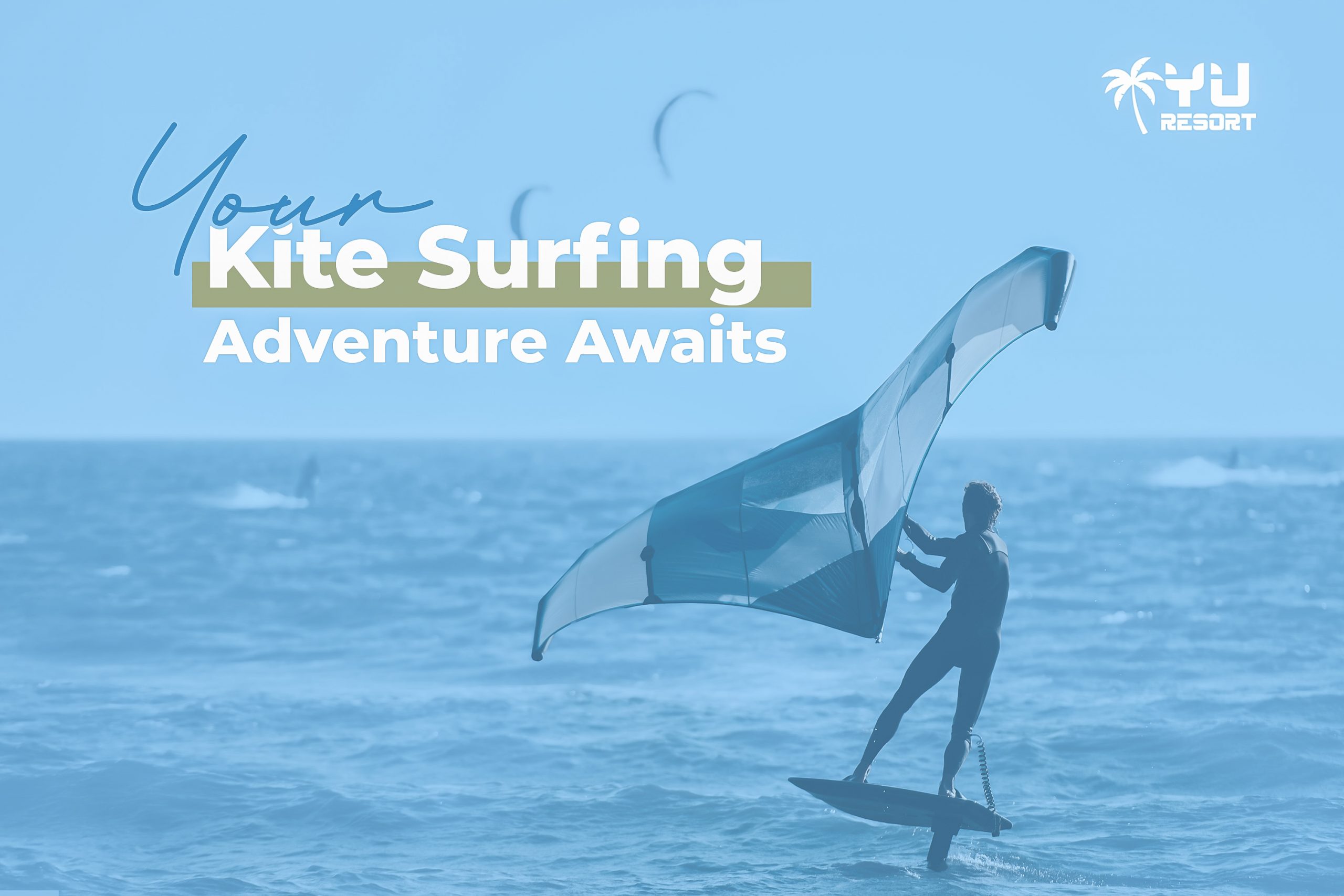
Kitesurfing in Msambweni: A Quiet Kite Spot Near Ukunda and Diani
Kitesurfing in Msambweni gives you something the busy kite beaches of Diani often can’t: space. YU Resort sits on the beach at Msambweni, about 25 km south of Diani and a 30-minute drive from Ukunda Airstrip. You get the same monsoon winds that made Kenya’s South Coast a kite destination, with far fewer kites in the sky around you.
This guide covers when the wind blows, how the tide shapes your day, what learning really takes, and how to plan a kite trip to Msambweni from Ukunda or Diani.
When to Go Kitesurfing in Msambweni
The South Coast has two kite seasons, both driven by the monsoon. In season, the wind often averages 15 to 20 knots, though no day is guaranteed.
| Season | Months (approx.) | Wind | Water and feel | Best for |
|---|---|---|---|---|
| Kaskazi (north-east monsoon) | Mid-December to mid-March | Steady, usually lighter | Warm water, no wetsuit needed | Beginners and relaxed riding |
| Kusi (south-east monsoon) | Mid-June to mid-September | Stronger and gustier | Cooler mornings, a shorty wetsuit helps | Intermediate and advanced riders |
Outside these windows, the wind is lighter and less reliable. You may still get good days, but don’t plan a kite-only holiday around them.
How the Tide Shapes Your Kite Day
The reef off this coast creates a lagoon between the beach and the breaking waves. From mid to high tide, the lagoon fills with flat, clear water. This is the best time to learn and to practise new moves.
At low tide, the water gets shallow and the reef comes close to the surface. In practice, most riders stop before the lowest point and wait for the water to return. Check the tide times each evening and plan your sessions around them. Watch for fishing nets in the lagoon, too.
Learning to Kitesurf: What to Expect
Kitesurfing is not a one-day sport. Plan for about four to six days of lessons to learn the basics, and more before you ride on your own. You also need to be a confident swimmer in open water.
Most beginners follow the same path. You start with kite control on the beach, then body dragging in the water, then water starts and your first short rides. Once you can ride in both directions and hold your ground upwind, you are ready for more freedom.
Book your lessons at the start of your stay, not the end. Some days will have no wind, and spare days give you time to catch up.
Already riding? Use the quiet lagoon to work on jumps, transitions or foiling without a crowd. Foiling needs deeper water, so keep well clear of low tide. You can arrange kitesurfing through our activities team.
Msambweni vs Diani for Kitesurfing
Diani and Galu have the best-known kite schools and a lively beach scene. That also means more kites on windy afternoons. Msambweni is quieter. You spend more time riding and less time watching other people’s lines.
The trade-off is choice. Diani has more schools and kite shops close together. At YU Resort you get calm water and privacy, and Diani’s kite centres are still within reach if you want a change of spot for a day.
Getting to Msambweni from Ukunda
Most visitors fly from Nairobi to Ukunda Airstrip, which serves Diani. From there, YU Resort is about 30 minutes by road. If you fly into Mombasa instead, allow extra time for the drive south, as traffic and the crossing out of the island can slow you down.
Bringing your own kite gear? Check your airline’s sports equipment rules before you book, as fees vary a lot.
Where to Stay and What to Do Off the Water
After a session, you want a short walk to a shower and a shady place to rest. The Beach Villa Sun Suite has direct sea views, so you can check the wind from your balcony. The Upper Resort rooms sit in the gardens near the pool, a calm base if you are travelling with people who don’t kite.
On days with no wind, take a boat trip, book a massage at the spa, or go snorkelling in Kisite-Mpunguti Marine National Park near Wasini Island. If you want to train with more structure, look at our Sport Retreat.
What to Pack for a Kite Trip
- A rash guard or long-sleeve UV top
- Reef-safe sunscreen, sunglasses with a strap, and a hat
- A shorty wetsuit for the kusi season
- Reef booties for walking out at lower tides
- Your own harness, if you have one, as it will fit better than a rental
Plan Your Kitesurfing Trip to Msambweni
The best kite trips match your dates to the wind and your sessions to the tide. Tell us when you want to travel and your riding level, and we will help you plan a stay that gives you the most time on the water. Contact YU Resort to start planning.